
-
36-hr ICR bandh marred by sporadic violence, Sub inspector…
-
Governor condoles demise of Bengia Tolum
-
Arunachal Pradesh to undertake Special Intensive Revision of …
-
Large acreage of wild cannabis destroyed in joint…
-
New community hub 'Ekta Bhawan' opens at Yazali Police…
-
Dr. Joram Aniya calls on Governor
-
Indian Army inaugurates transit facility at Sigar Military Station
-
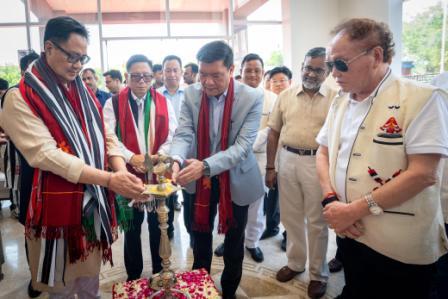 Khandu inaugurates Arunachal Niwas, fourth facility in New Delhi
-
ACS announces sit-in protest, demands CM’s resignation on moral grounds
-
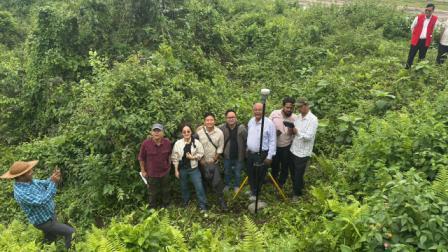 Assam-Arunachal border delineation exercise concludes in Lower Siang
Khonsa, Sep 27: Minister of Industries, Trade & Commerce, IPR, etc., Nyato Dukam underscored the urgent need to preserve the rich culture and traditions of the region, noting that younger generations are gradually drifting away from their roots.
Gracing the first-ever mega Ronghuan festival celebration as chief guest at Charju in Tirap District, he expressed concern over the growing preference for foreign languages over native tongues, stressing that festivals like Ronghuan are vital in keeping traditions alive. "Our culture is our identity; we must never lose it," he said, urging the community to continue working towards the preservation of their heritage.
Ronghuan, often referred to as the "Millet Festival," is celebrated after the millet harvest. It is revered and widely observed by both the Nocte and Tutsa tribes to celebrate prosperity, good health, and a bountiful harvest.
Dukam reflecting on his 30-year political career, noted that although Arunachal Pradesh is home to hundreds of tribes, their festivals, while known by different names, share a common spirit. He particularly lauded the unique aspect of this festival, where two tribes – the Nocte and Tutsa – are celebrating together, symbolizing unity.
The Minister also voiced his concern about the alarming rise in drug abuse among youth, stressing that it poses a serious threat to society as a whole. He called on the community to unite and fight this issue, while reaffirming the government’s commitment to tackling the problem.
Minister Environment & Forest Wangki Lowang, legislators Hamjong Tangha and Chakat Aboh were also present among others
MLA Tangha, in his address, emphasized the rich culture and traditions of the TCL (Tirap, Changlang, Longding) belt, stressing that it needs to be brought to the forefront alongside other major festivals of Arunachal Pradesh.
He further highlighted the pressing need to combat drug abuse in society, noting its detrimental impact on both individuals and the broader community. DIPRO
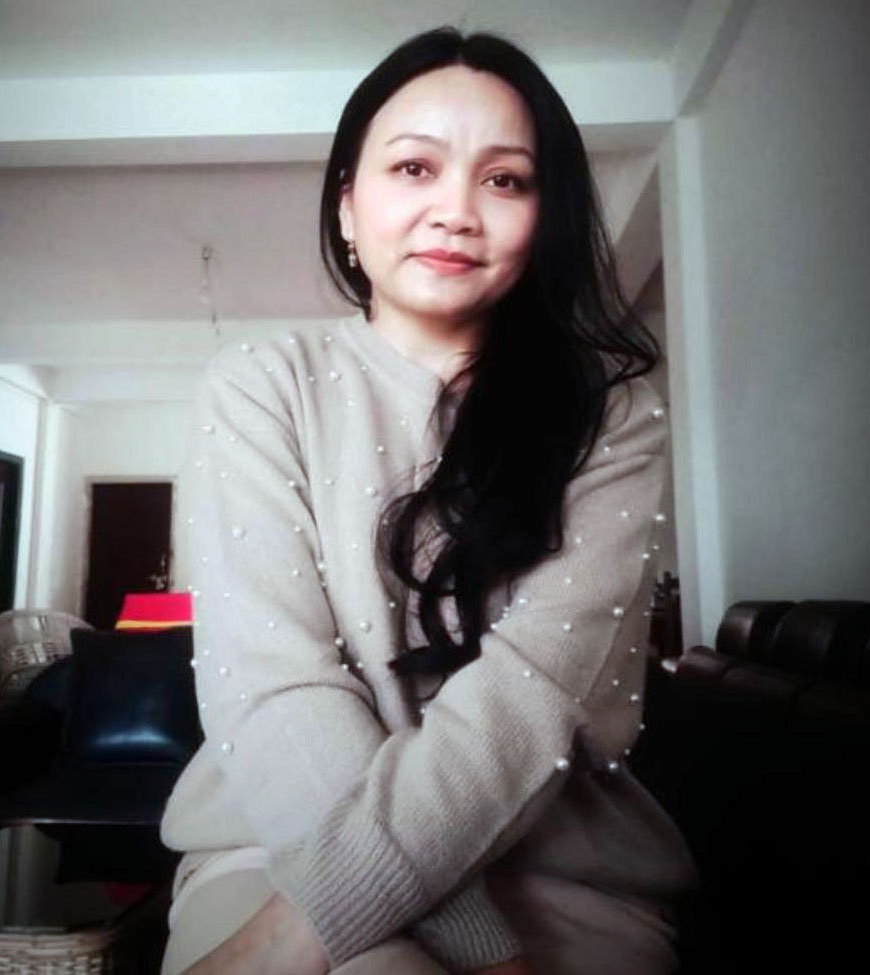
Kenter Joya Riba
(Managing Editor)She is a graduate in Science with post graduation in Sociology from University of Pune. She has been in the media industry for nearly a decade. Before turning to print business, she has been associated with radio and television.
Email: kenterjoyaz@easternsentinel.in / editoreasternsentinel@gmail.com
Phone: 0360-2212313