
-
36-hr ICR bandh marred by sporadic violence, Sub inspector…
-
Governor condoles demise of Bengia Tolum
-
Arunachal Pradesh to undertake Special Intensive Revision of …
-
Large acreage of wild cannabis destroyed in joint…
-
New community hub 'Ekta Bhawan' opens at Yazali Police…
-
Dr. Joram Aniya calls on Governor
-
Indian Army inaugurates transit facility at Sigar Military Station
-
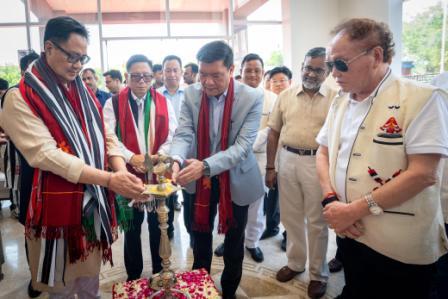 Khandu inaugurates Arunachal Niwas, fourth facility in New Delhi
-
ACS announces sit-in protest, demands CM’s resignation on moral grounds
-
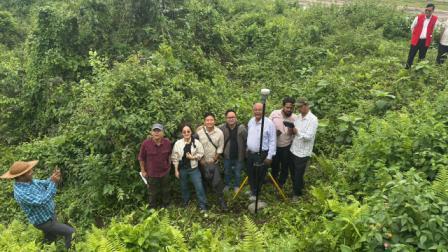 Assam-Arunachal border delineation exercise concludes in Lower Siang
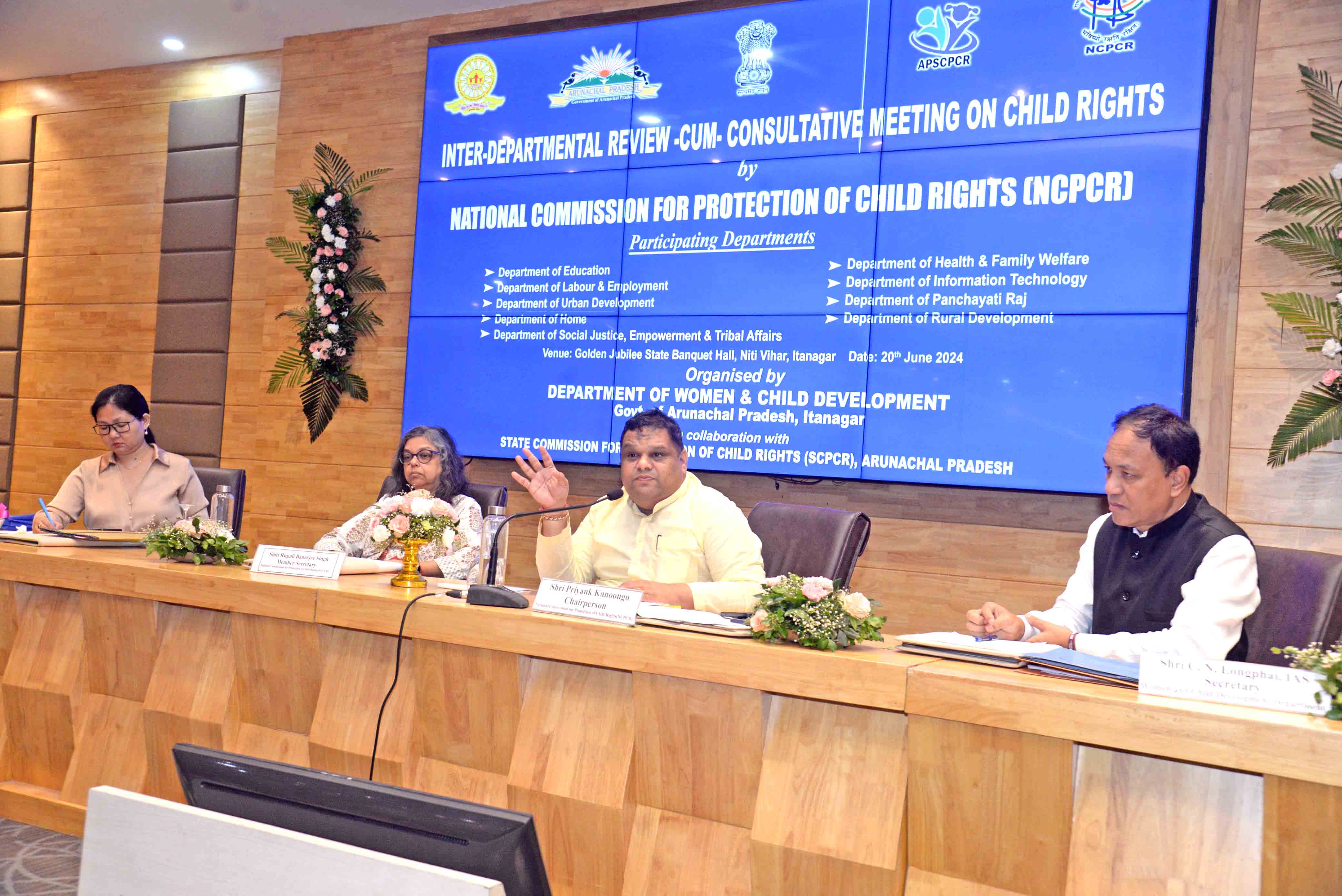
Itanagar, Jun 21: The Chairperson of the National Commission for Protection of Child Rights (NCPCR), Priyank Kanoongo, today chaired an inter-departmental review-cum-consultative meeting in collaboration with the Arunachal Pradesh State Commission for Protection of Child Rights (APSCPCR) and Women and Child Development Department, Govt. of Arunachal Pradesh to monitor the protection of Child Rights in the State.
The meeting was attended by Rupali Banerjee Singh, Member Secretary NCPCR, Ratan Anya, Chairperson, APSCPCR, along with the members of APSCPCR, Department of Education, Department of Labour & Employment, Department of Urban Development, Department of Home, Social Justice, Empowerment & Tribal Affairs (SJETA), Department of Health & Family Welfare, Department of Information Technology, Department of Panchayati Raj and Department of Rural Development.
A department-wise presentation was made before the Chairperson of NCPCR about the status of steps and measures taken for protection of child rights in the State.
A detailed department wise review of the steps taken by the respective departments was made by the Chairperson, NCPCR.
During the meeting, he advised and directed the concerned departments to ensure that all laws, policies, and programmes applicable for protection of child rights are implemented properly. He emphasized on greater coordination among all the concerned departments. He made a strict observation on the issue of children being engaged as domestic help in the State and requested the concerned authorities to look into the matter and take appropriate action on priority.
He also enjoined upon the concerned department to ensure that the Divyangjans children are not deprived of their rights for which coordinated action is required among the concerned department such as SJETA, Education and Health department. Another advice that he gave was the need to undertake training and sensitization programmes for all stakeholders including the concerned departments.
Kenter Joya Riba
(Managing Editor)She is a graduate in Science with post graduation in Sociology from University of Pune. She has been in the media industry for nearly a decade. Before turning to print business, she has been associated with radio and television.
Email: kenterjoyaz@easternsentinel.in / editoreasternsentinel@gmail.com
Phone: 0360-2212313