
-
Arunachal Kiwi goes global: Wangsu flags off trial shipment…
-
Governor presents ‘Land of Rising Sun’ plaque to VKVAPT
-
AEDMA observes 7th death anniversary of journalist Taro …
-
Natung highlights spiritual and values-based leadership at Global Summit 2026
-
East Siang Police arrests 26 including 5 juveniles for…
-
Normal life hit in Upper Subansiri during 12-hour bandh
-
Under Secretary reviews Special Campaign 6.0 at FTII, Prasar…
-
Arunachal joins hands with ITBP to strengthen dairy development
-
Tensions flare as anti-SUMP protest turns violent, prohibitory orders imposed…
-
CM appeals for peace, invites stakeholders for talks on SUMP…

Maksam Tayeng
PASIGHAT, May 18: The College of Horticulture & Forestry (CHF) has disclosed that a highly invasive pest, ‘fall armyworm’ has been found in the maize cultivated in its campus for field training purposes of students of agronomy.
“This is the first report of fall armyworm incidence on sweet corn at the CHF and the team that sighted the fall armyworm was led by scientist, Dr. N.Y. Chanu who is also the Assistant Professor in the college’s plant protection and natural resource management department alongwith East Siang Krishi Vigyan Kendra,” said Dean, College of Horticulture & Forestry, Pasighat Professor BN Hazarika.
“I accidentally found out this fall armyworm here in the campus which was initially believed to be a borer. But after making certain close observation by putting the larvae into lab and also on rearing it, I concluded with confirmation that it was a ‘fall armyworm’ as it has certain identifying characters like inverted Y-shape on their head and last segment of the abdomen has four spots with square shape,” said Dr. NY Chanu. She also mentioned that the insect has the potential threat to other crops including rice, which happens to be the main food crop of Arunachal Pradesh. “Since last year I knew about this fall armyworms which has the record of totally damaging the crops in other Northeast states though it has not caused much damage here in Arunachal till date,” added Dr. Chanu.
Assistant Professor of Agronomy Dr. Punaboti Heisnam said the armyworm caterpillars were inside the cobs, affecting the growth of maize crops, adding that the incidence was ‘below the economic threshold level in Pasighat.’ The pest occurrence is severe and can multiply in geometric proportions within no time and may also spread to nearby districts quickly.
Calling for immediate attention by the agriculture department officials, the C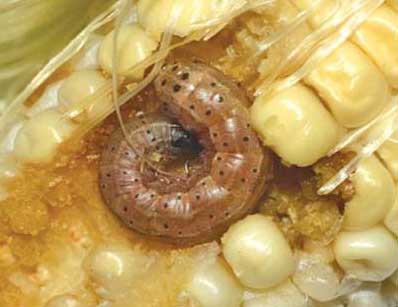 HF’s Dean, Professor Hazarika said that although the pest could attack a wide range of crops, including maize, millet, sorghum, rice, wheat, sugarcane and vegetables, it can be contained and regulated by using various traditional measures like manual removal of insects or by using minimal chemicals.

Kenter Joya Riba
(Managing Editor)She is a graduate in Science with post graduation in Sociology from University of Pune. She has been in the media industry for nearly a decade. Before turning to print business, she has been associated with radio and television.
Email: kenterjoyaz@easternsentinel.in / editoreasternsentinel@gmail.com
Phone: 0360-2212313